
The choice lies in implementation
As the November 28 elections approach, [1] reports on debate, transport and care may seem disconnected. Together they raise a shared question: how do candidates turn public resources into usable services? Our comparison examines the complete pathway from commitment to use, rather than favoring the largest headline figure or any party.
Senior cards: more points or more usable benefits?
CNA reported that Su Chiao-hui proposed 1,000 monthly senior-card points and wider uses, while Lee Shu-chuan proposed converting 300 of the existing 600 points to EasyCard-style use. These are campaign proposals. [4] One emphasizes quantity; the other emphasizes flexibility for part of the benefit. Comparing only 1,000 with 600 conceals design. Questions include eligible expenses, restrictions, unused points and access across living conditions. People far from services or with mobility difficulties may need different supporting measures. This is an access question, not a prior score for either plan.
A shared concern with care, different bottlenecks
Zhubei proposals emphasize family-friendly surroundings, night and weekend temporary childcare, and services reaching 31 neighborhoods. [5] They address facilities, time coverage and distribution respectively. A household may face several barriers, so the proposals need not be substitutes. Asking who cares most about families invites universal agreement. Staffing, capacity, fees, booking and safety responsibilities provide a more useful comparison. Available premises do not automatically create a functioning care service.
Route supply and transfer quality can both matter
On Shuinan transport, Ho Hsin-chun criticized connections, ticketing and circulation, while the city cited nine city-bus and nine intercity-coach routes and continuing improvements. [3] These are partly different measures. Routes establish supply; waiting, ticket purchase and transfers describe use. Both can be true: routes may exist while journeys remain inconvenient. Reporting should compare frequency, timetables, peak demand and actual trips. The separate road-extension project in the same report deserves its own responsibility and progress record.
Use one scale for comparison
| Issue | Reported position | Implementation questions |
|---|---|---|
| New Taipei senior card | Higher allowance; more flexible uses [4] | Eligibility, permitted uses, funding, access |
| Zhubei care | Facilities, off-hours care, neighborhood services [5] | Staff, places, hours, booking, responsibility |
| Taichung transfers | Service criticisms; city cites 9 + 9 routes [3] | Frequency, transfer time, demand, user evidence |
| Taipei debate | Agreement in principle; arrangements pending [2] | Shared questions and verifiable commitments |
The value of debate is comparable scrutiny
Taipei’s major campaigns agreed in principle to debate while procedures remained under discussion. [2] This creates a comparison opportunity, not evidence of a policy or opinion shift. Journalists can ask what bottleneck a proposal addresses, what would be prioritized without more overall funding, how responsibilities outside city government are coordinated and what outcome candidates would accept as a test. Shared follow-ups reduce dependence on rhetoric and edited exchanges.
Keep mobilization separate from policy comparison
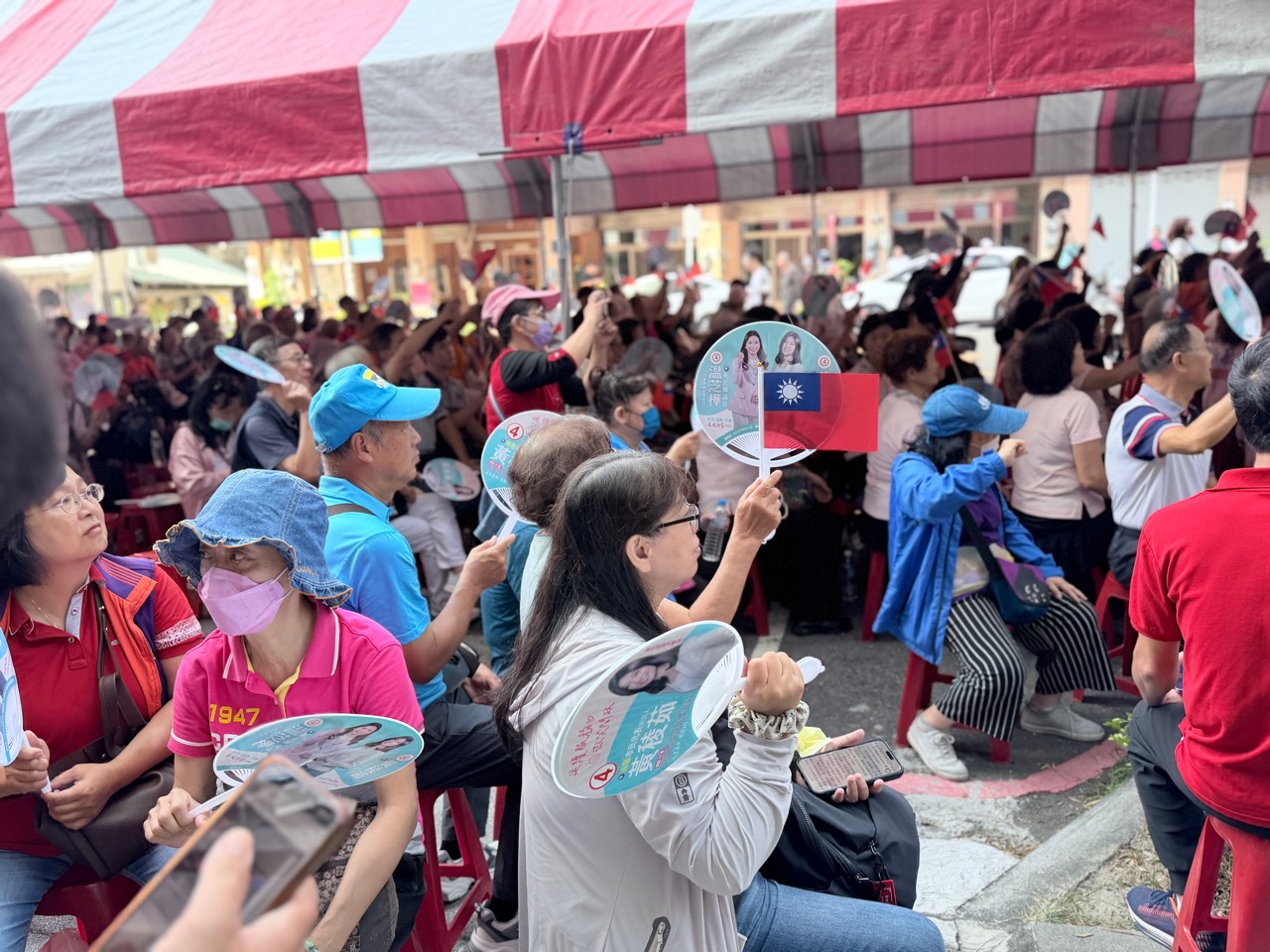
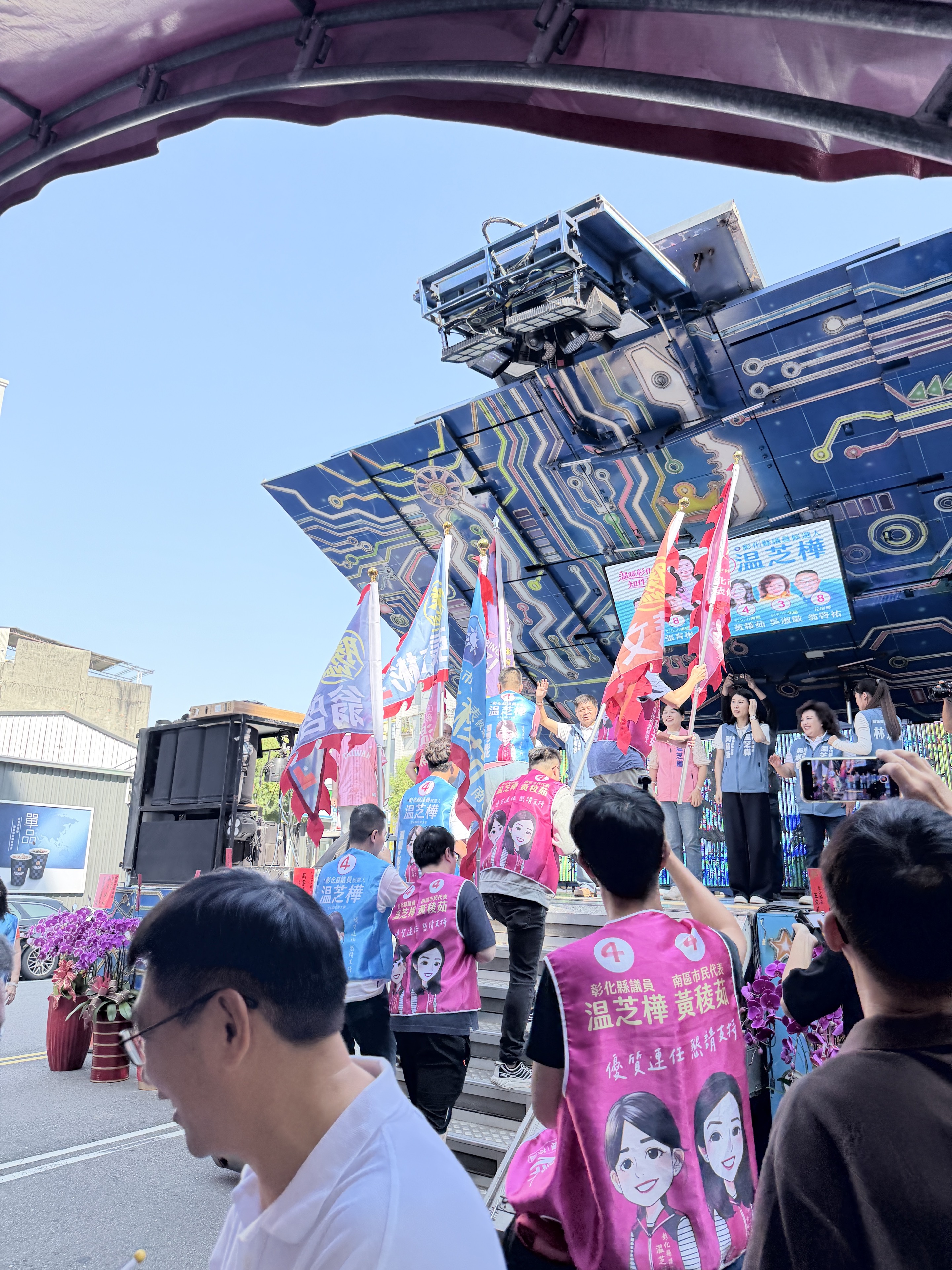
CNA’s English service recorded campaign events in Kaohsiung, New Taipei and Taichung on October 3, including cross-party appearances and local proposals. [6] This adds organization to policy discussion. Shared appearances establish public cooperation but do not quantify voter transfer; attendance also reflects mobilization and event conditions. Reporting should keep cooperation, policy differences and survey evidence distinct. These five campaign reports come from the CNA network and concern different events; cross-outlet verification and local user perspectives remain useful additions.
Attributed claims still need delivery evidence
The CNA reports identify dates, reporters and proponents; the transport story includes criticism and an official response. Much material nevertheless comes from campaigns and public events. Reporting a promise does not independently establish financing or feasibility. Four selected cities are not a representative national sample. The reports share attention to everyday services but differ in defining bottlenecks and allocating resources. They do not establish which plan voters prefer.
Capacity means getting resources to people who need them
A cross-candidate record should retain original commitments, dates, added details and revisions. Readers gain continuity beyond successive slogans, journalists gain follow-up questions, and candidates who explain conditions can be understood more clearly. Local governance concerns whether residents obtain suitable services when needed. Asking about benefit levels, capacity, time and authority together makes the election a comparison of testable governing choices.
References
1. Official information · 2026CEC | Local election announcement
2. Reporting · Oct 5, 2026CNA | Taipei debate agreement
3. Reporting · Oct 5, 2026CNA | Taichung transport policy
4. Reporting · Oct 5, 2026CNA | New Taipei senior welfare
5. Reporting · Oct 5, 2026CNA | Zhubei childcare proposals
6. Reporting · 2026-10-03Focus Taiwan / CNA | Local campaigns intensify